
Short answer: Strong working relationships with service providers help community association boards receive clearer information, faster follow-through, and more realistic options when an issue needs attention. Those relationships support better decisions, but they never replace a board’s authority, fair procurement, documented scopes, or management accountability.
Community association management is often described as a system of budgets, meetings, maintenance schedules, records, and owner communication. That is all true. It is also a relationship business.
A board can have a well-prepared budget and a good maintenance calendar, but the work still depends on people who can explain conditions clearly, respond when a situation changes, and stand behind their work. Management needs to know who is on the other end of the phone when a life-safety issue, building concern, or vendor question needs an answer.
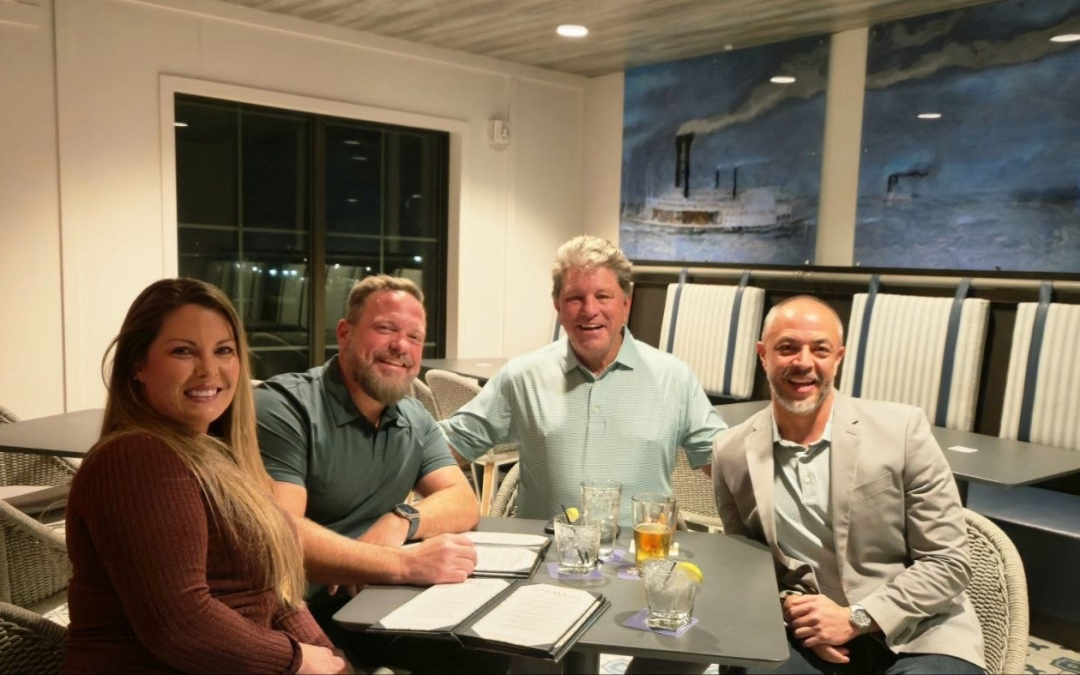
That is why time spent getting to know the service providers who support our communities matters. A recent dinner in downtown Panama City with Chloe from Coastal Construction, Larry West from Summit Fire, and Tim from Summit Fire was a reminder that the best professional relationships are built before there is a crisis, a dispute, or an urgent board meeting.
Good relationships improve the quality of information
The value is not a shortcut around process. It is better communication.
When management has an established relationship with a contractor or service provider, it is easier to ask direct questions about a proposal, clarify what is included, identify what could change the price, and understand the operational impact of waiting. That gives the board a more useful decision package than a number on a page.
For example, a proposal may look complete until someone asks whether permitting, access constraints, temporary protection, inspections, cleanup, or follow-up work are included. The board still needs to compare scopes and make the decision. A strong service-provider relationship makes it more likely that the answers arrive early enough to support that decision.
Trust is not favoritism
Trust needs clear boundaries in community association management.
Boards retain authority over contracts, budgets, and major project decisions. Management remains responsible for presenting complete information, documenting recommendations, and following the association’s procurement practices. When comparable bids or proposals are needed, they should be evaluated on comparable scopes, qualifications, timing, insurance, exclusions, and total project impact.
A good relationship should make that process stronger, not less disciplined.
The right service provider welcomes clear scopes, direct questions, written follow-up, and board review. They understand that management cannot promise work before the board has reviewed the information and acted within its authority.
Relationships are most valuable before a problem becomes urgent
The worst time to meet a new contractor, restoration company, or life-safety provider is when an issue has already become an emergency. Building relationships early gives management a better understanding of each provider’s communication style, expertise, response capacity, and expectations.
That does not guarantee a particular outcome. It does give a board and management team a better starting point when an issue needs attention.
At Maxet, we value service-provider relationships that make our work more transparent, more responsive, and easier for boards to evaluate. The goal is always the same: help boards make informed decisions and protect the communities they serve.
Frequently asked questions
Should an association use the same service provider for every project?
Not automatically. Familiarity can improve communication, but the association should use the procurement and approval process appropriate to the scope, governing documents, budget, and board direction.
What should management ask before presenting a proposal to the board?
Management should confirm the scope, exclusions, pricing structure, timing, insurance, warranty, access requirements, permits or inspections, and any conditions that could change the cost or schedule.
How can boards benefit from service-provider relationships without creating favoritism concerns?
Keep the process documented. Ask consistent questions, compare comparable scopes when appropriate, disclose relevant relationships, preserve the board’s decision authority, and record the basis for the decision.
Why does service-provider communication matter during an emergency?
During an emergency, boards need timely, accurate information about conditions, immediate actions, options, costs, and next steps. Established working relationships can make it easier to get clear answers quickly.
Legal disclaimer: Maxet is a professional community association management firm providing business operational efficiency and administrative support. We are not a law firm, and the information provided in this article does not constitute legal advice or create an attorney-client relationship. For specific legal interpretation of Florida Statutes, governing documents, contracts, procurement requirements, or conflict-of-interest issues, consult a licensed attorney specializing in Florida community association law.